Practical Upgrade Budgeting Secrets Family Needs
Revitalize Your Home: Essential Facts Regarding Home Renovation Work for Each House Owner
Residents commonly search for methods to enhance their homes through remodeling services. These projects can range from kitchen upgrades to entire residential overhauls. Understanding the options available is necessary to choosing intelligently. Furthermore, there exist real-world factors like budgeting and contractor selection. As householders start this endeavor, they could face unforeseen difficulties. The secret to a great renovation depends on meticulous preparation and performance. What are the next necessary steps?
Understanding the Different Types of House Improvement Projects
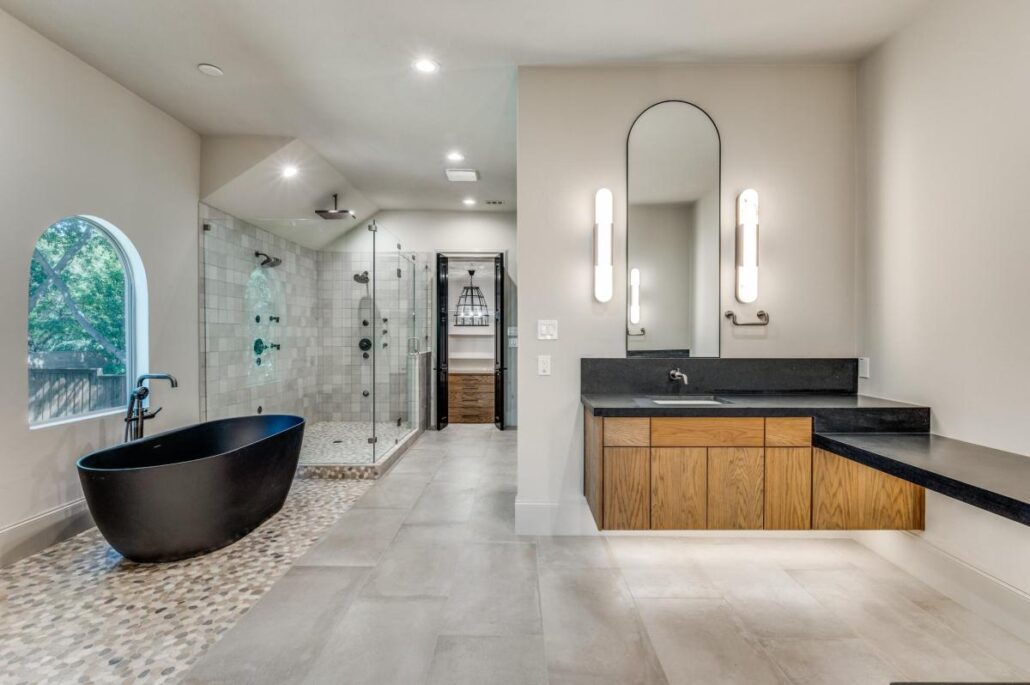
When homeowners consider renovating their living spaces, they typically find numerous renovation options tailored to different needs and preferences. These services can be broadly categorized into several types, all dealing with certain in-depth article elements of house upgrades. Kitchen remodeling focuses on upgrading equipment, the cabinets, and floor plans to improve usability and the look. Renovating the bathroom usually includes improving the fittings, tiling, and storage solutions for greater ease and visual flair.
Whole-home remodeling encompasses extensive modifications to the entire house, frequently involving changing the structure to maximize the area and flow. Outdoor renovation projects, conversely, focus on boosting the home's outward appearance, dealing with the cladding, the covering, and the garden design. Additionally, specialized services like basement finishing and attic conversions help residents make the most of neglected parts of the home. Every renovation category delivers specific perks, enabling homeowners to choose options that align with their vision for their home life. Grasping these differences is vital for choosing wisely throughout the remodeling project.
Establishing a Practical Spending Plan for Your Renovation Undertaking
How do property owners make certain their remodeling projects remain within budget? Setting a practical budget is essential. It is advisable for homeowners to begin by determining their fiscal limits, including savings and potential financing options. This first stage will help determine how much can be allocated for the remodel while maintaining other fiscal obligations.
Subsequently, property owners need to look into the financial requirements of their intended changes, taking into account materials, labor, and unexpected costs that frequently occur. Making an exhaustive list of needs helps with separating necessities from non-essential items, enabling modifications if the finances are strained.
It is prudent to set aside an emergency fund, usually about 10-20% of the overall cost, to account for surprise expenditures. Regularly reviewing and adjusting the budget throughout the remodeling process can also help maintain financial control. Ultimately, a well-planned budget ensures the project is feasible but also improves the entire renovation process for homeowners.
Selecting the Appropriate Contractor to Suit Your Project.
Choosing the appropriate professional has a major influence on the success of a remodeling project. Homeowners should begin by doing comprehensive research, looking for suggestions from acquaintances, relatives, or web feedback. It is crucial to check qualifications, like licenses, insurance, and bonds, to confirm legitimacy.
Once potential contractors are identified, they should seek detailed cost breakdowns and timeframes, allowing for informed comparisons. Interviews provide insight into communication styles and professionalism, which are crucial for working together effectively.
Additionally, reviewing past projects through portfolios or references shows the builder's standard of work. Property owners must also ask about guarantees or assurances, reflecting the contractor's confidence in their work.
In the end, choosing a professional who matches the homeowner's goals, finances, and schedule fosters a more positive remodeling experience, guaranteeing that the project meets expectations and successfully updates the home's interior.
Structuring and Laying Out The Space You Envision.
As those renovating imagine their desired rooms, thorough preparation and well-considered layout become essential components of an effective updating job. The initial phase includes assessing present requirements and long-term goals, which permits a comprehensive grasp of the room's intended function. Homeowners should consider practicality, aesthetics, and personal style, ensuring that the design reflects their unique preferences.
Following this, establishing a thorough budget is crucial. This budget should cover supplies, workforce costs, and potential unforeseen expenses. Engaging with design professionals can offer helpful perspectives, aiding in maximizing the area and respecting budgetary constraints.
Integrating components like natural light, spacious designs, and sustainable materials can improve the final result. Finally, seeing the project via drawings or computer models can assist in finalizing plans before implementation. By approaching the planning and design phase with intention, homeowners can create an inviting, efficient space suited to their way of life.
Understanding Regulations and Permits in House Renovation
Grasping the intricacies of permits and rules can be challenging for homeowners starting on a remodeling project. Each municipality has specific rules that dictate what is permissible during renovations, typically guided by area restrictions, building codes, and security requirements. It is essential for homeowners to understand local regulations to avoid costly fines or project delays.
In most cases, getting permits is mandatory for major changes, such as modifying load-bearing elements or electrical work. This process often involves submitting plans for review and could involve check-ups at different phases.
Working with a skilled professional can streamline these steps, as they are typically experts in municipal rules and can assist with paperwork. Homeowners should also keep communication open with local building departments to verify legality throughout the project. By understanding and maneuvering through these requirements, homeowners can fulfill their improvement aims while ensuring safety and legality in their renovations.
Frequently Asked Questions
How Long Does a Typical Home Remodeling Project Take?

A typical home remodeling project usually takes three to six months on average, contingent upon the extent of the project, size of the home, and supply chain status. Intricate jobs could demand more time for completion.
What are the typical errors you should steer clear of when renovating?
Frequent errors during remodeling include underestimating budgets, not securing the required permissions, overlooking timelines, failing to communicate effectively with the construction team, and not considering long-term functionality. Understanding these dangers helps ensure a more efficient, more positive renovation outcome.
How do I choose the right materials for my renovation?
Choosing the right materials means considering how long they will last, the look and feel, and cost constraints. Researching options, consulting professionals, and factoring in how much care they require will significantly help in reaching educated conclusions, ensuring the project aligns with personal and functional requirements.
Is it possible to stay in my house while the remodeling is happening?
Yes, one can live on the premises while work is ongoing, but it might cause disruption. Careful planning, effective coordination with the renovation team, and setting aside certain zones where you can live normally can help minimize disruption while the work is underway.
What kind of coverage should be provided by my builders?
You should anticipate receiving warranties that guarantee the quality of the work, the products installed, and the integrity of the structure, typically ranging from one to ten years. You must carefully check the fine print and details in partnership with the renovation company to clearly grasp what is covered and what is excluded.